

Hysteresis and the Defensive Rotation Strategy part 1 - Skipping Low Vol environments
Aug 04, 2025
VTS Community,
All 3 of our VTS tactical rotation strategies function by allocating their portion of of total capital to the asset class that best matches the current Volatility environment. Using the Defensive Rotation Strategy as an example, here are the thresholds for Volatility Barometer levels:
- Less than 20% we'll be allocated to Cash
- From 20% to less than 66% we'll be allocated to QLD
- From 66% to less than 85% we'll be allocated to XLU
- 85% and above we'll be allocated to Cash
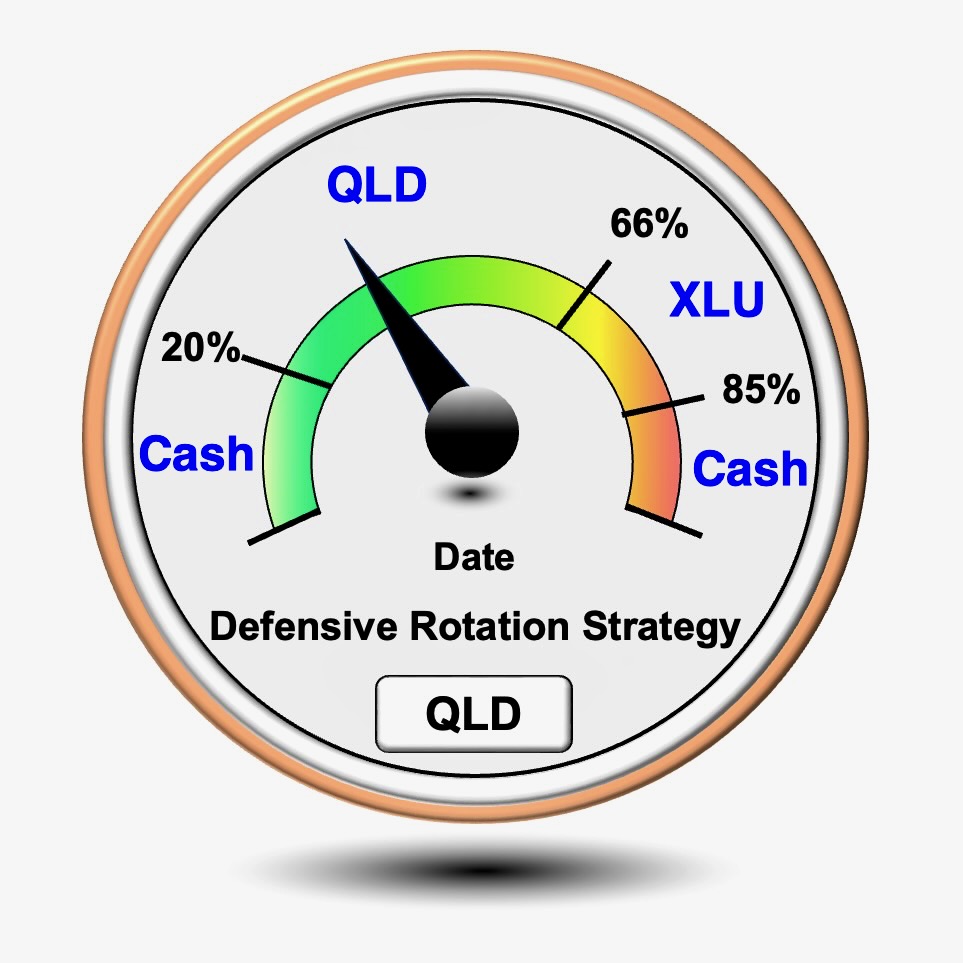
Now in all 3 strategies it's a hard line, above or below, we allocate accordingly. However, across all 3 VTS strategies there's only one threshold that is variable and I'll explain why that is today.
Hysteresis
Hysteresis refers to the dependence of a system's state on its history, meaning the output of a system at a given time depends not only on the current input but also on past inputs. This phenomenon is characterized by a lag or delay in the system's response, where the output does not immediately reflect the changes in the input.
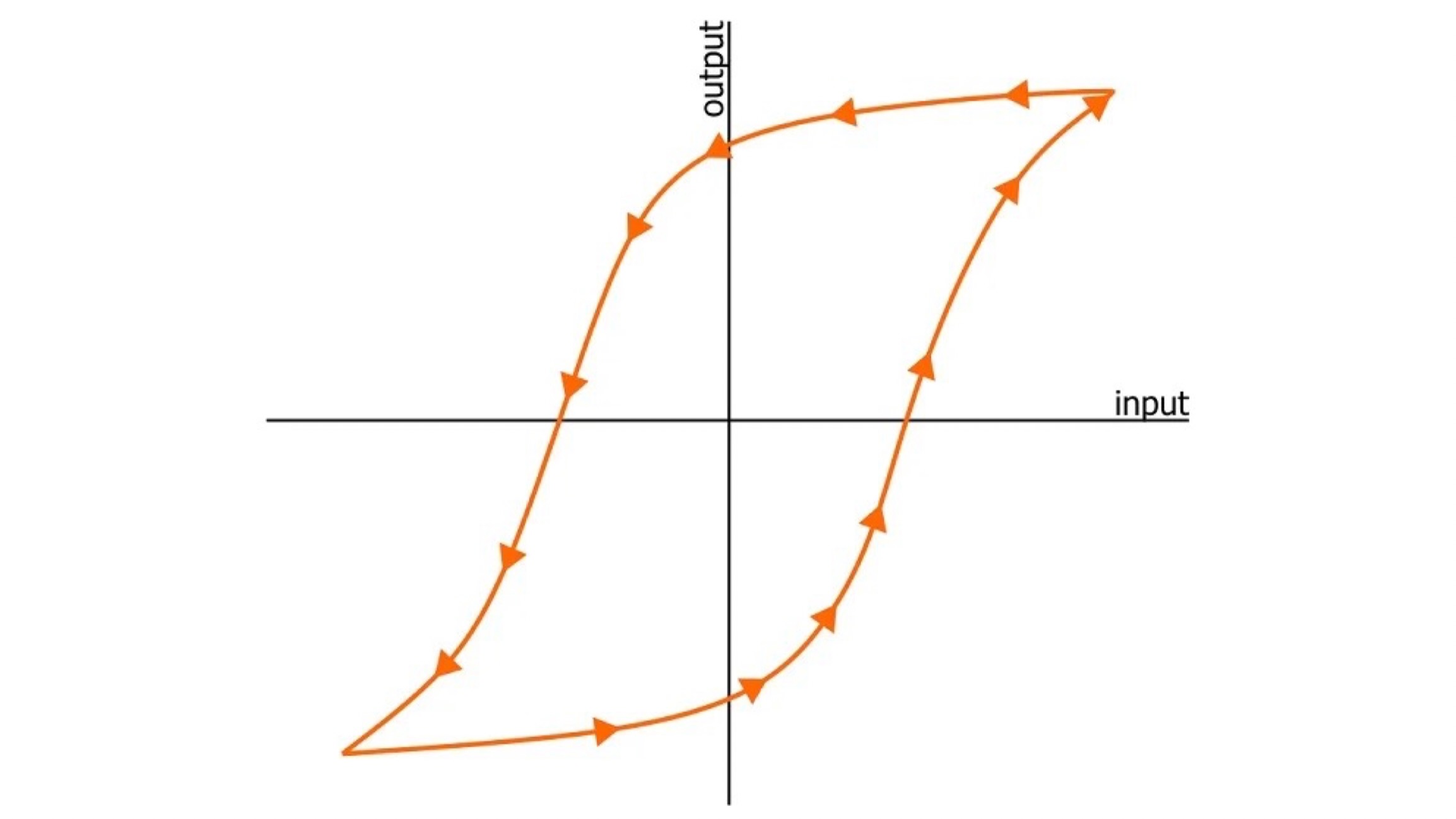
Essentially, when the Volatility Barometer dips below 20% the Defensive Rotation Strategy moves to Cash. Subsequently though, and this is the exception to our hard line rule:
When the Volatility Barometer goes back over 20% we will delay the move getting back into QLD until it goes to an even higher level
This is they "hysteresis" part of the system, a delayed signal before getting back into the market. The question is, how much of a delay should we use? We can test a few levels and find something that works.
1) Re-enter trades on the next XLU position change?
This would mean once we move to Cash when the Volatility Barometer goes below 20%, we would not get back into a trade until the Volatility Barometer goes all the way back up over 66% to signal a new positional move to XLU Utilities. One of the many benefits to systematic trading is we can easily test things like this in a spreadsheet.
Baseline vs Hysteresis system waiting for the next XLU trade: (red)
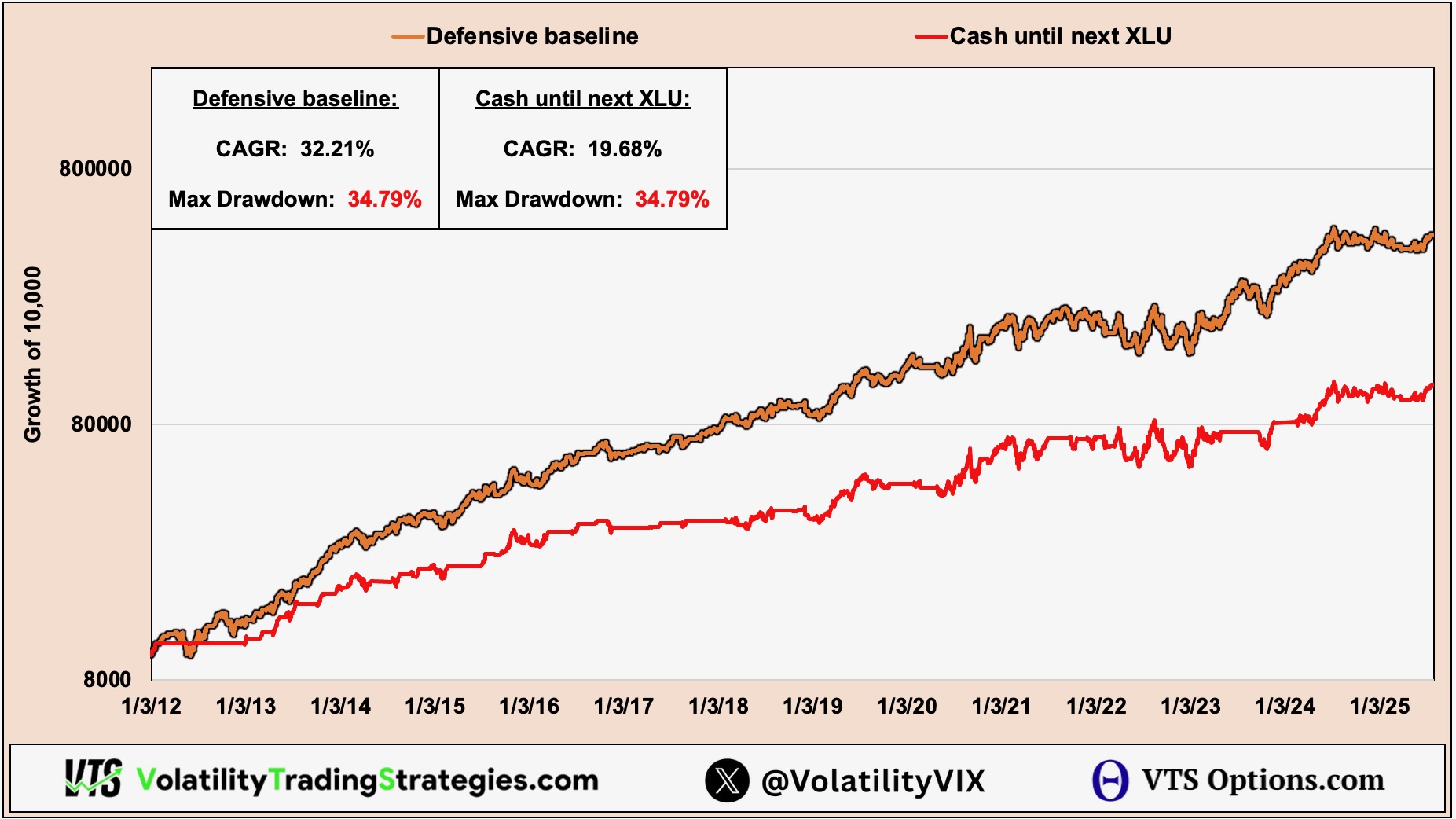
As we can see, that reduces trade frequency a lot and we're actually giving up a substantial amount of time in the market, dramatically reducing the rate of return. Clearly we do not want to wait this long to get back into the market. We would just be missing way too much positive performance in QLD skipping that range entirely.
2) Hysteresis re-entering when the Volatility Barometer > 40% (blue)
So for clarity, this would mean that we exit to safety when the Volatility Barometer is below 20%, but we wouldn't re-enter QLD until the Volatility Barometer is back over 40%. That 20% Hysteresis band is what I'm testing in BLUE below:
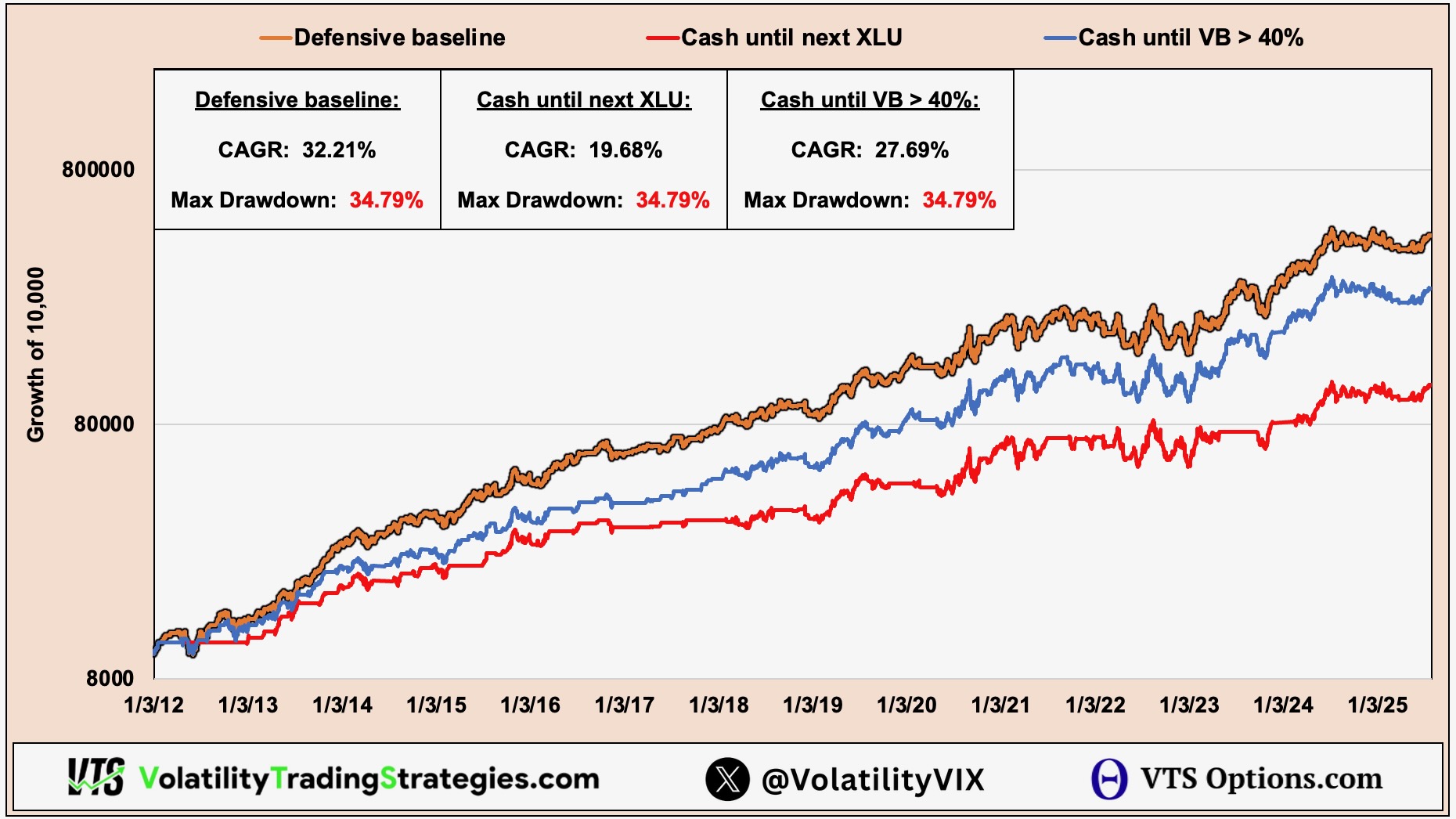
This is much improved, but again we can deduce from the test that the 20% to 40% range has some positive alpha there that we don't really want to cut off if we can help it.
3) Hysteresis re-entering when the Volatility Barometer > 30% (green)
* Moving to Cash when the Volatility Barometer is below 20%, and re-entering QLD when the Volatility Barometer is back over 30%, meaning only a 10% Hysteresis band in GREEN:
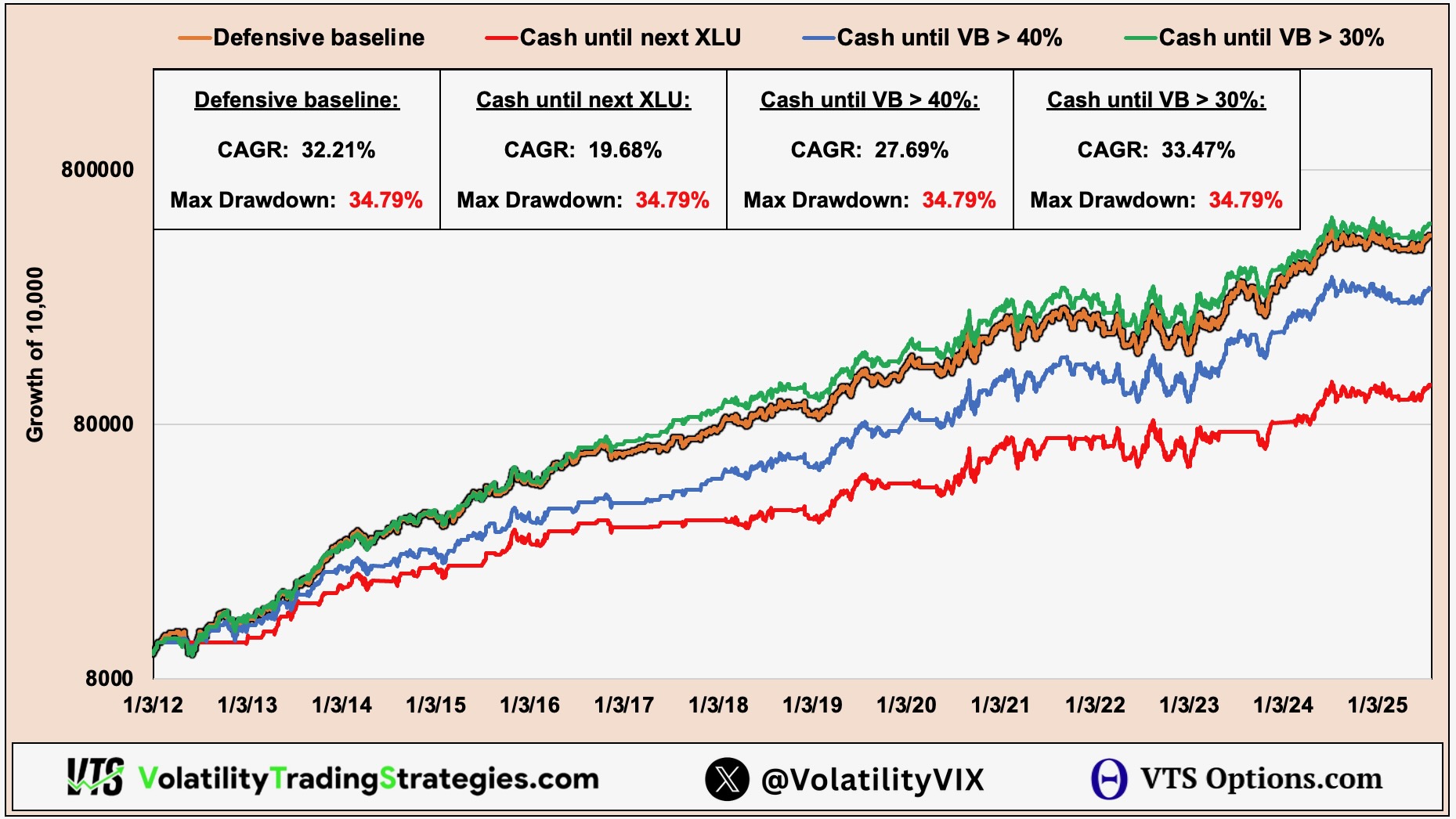
Interesting right? There is some value in avoiding the 20% to 30% range, just cutting down on a few of those times when the market went from very low Volatility and then spiked up strongly. Just having a short delay there would have reduced a bit of that. Now granted, statistically speaking it's only about 1.2% a year improvement, but there are diversification benefits across the portfolio to this as well so it's not purely a numbers game.
We will use a 30% Hysteresis system
Again, the difference from just moving back immediately isn't that much but I'm a person who does like to add areas of diversification whenever possible. Having one of our three strategies remain in Cash a little longer during lower Volatility ranges does add value.
- Tactical Volatility remains in SVXY during low Volatility
- Strategic Tail Risk remains in SPY during low Volatility
- Defensive Rotation exits to Cash during low Volatility
How common is this Hysteresis band?
Below 20% on the Volatility Barometer doesn't actually trigger that often, and even less so in the last 8 years or so.
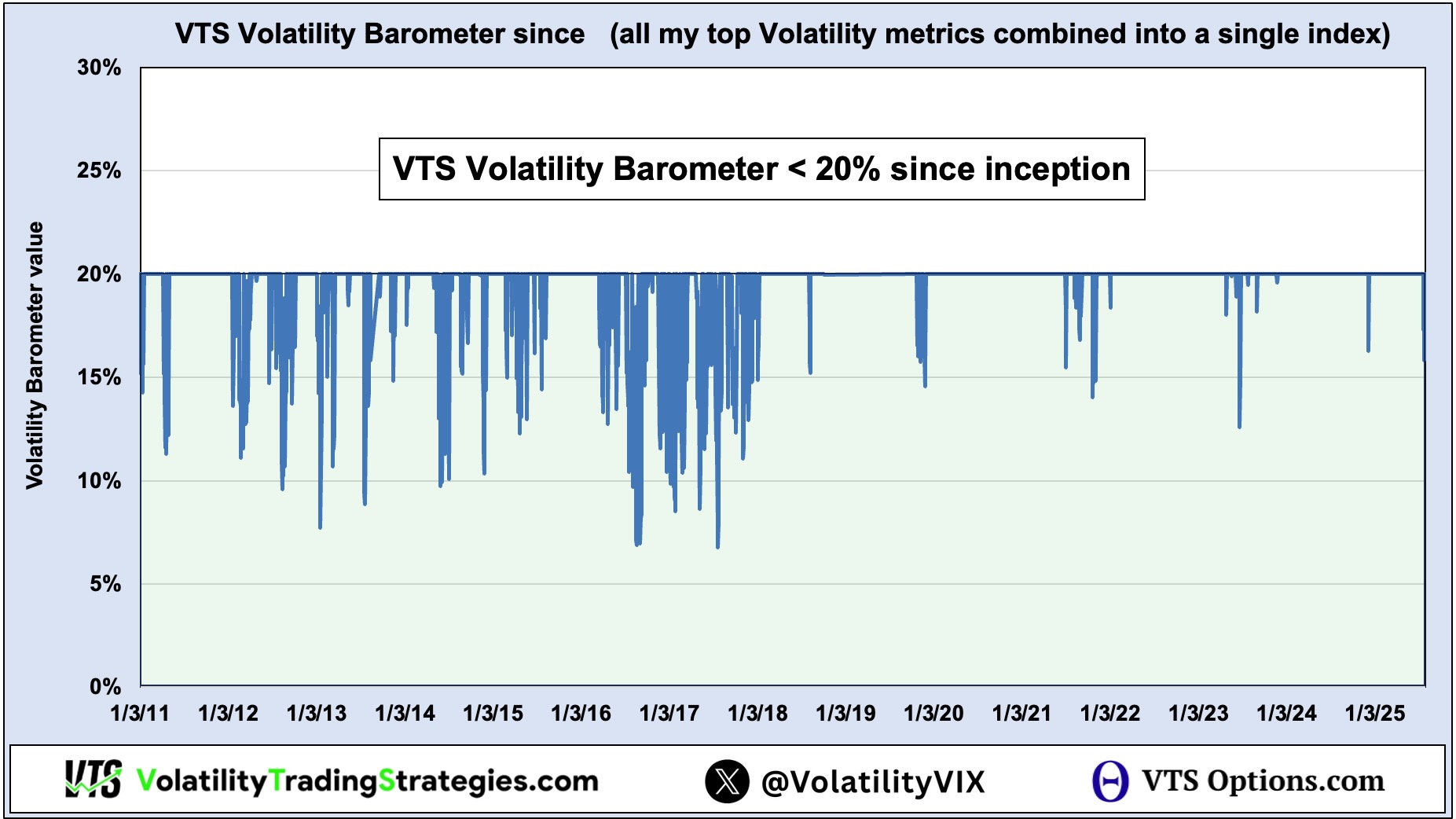
After the February 2018 Volpocalypse event, the market has had a very difficult time getting down below 20%, and when it does it almost immediately goes back above
I think the overall conclusion would be, if a person was expecting some long extended periods where the Volatility Barometer was below 20%, they may not want to use the Hysteresis system. However, if they were expecting those below 20% periods to be fairly short in duration, Hysteresis will definitely help.
Which one are we in now?
Who knows how long this will last, but with President Trump in the White House and him quite literally selling subscriptions to his market moving Tweets, something tells me that bouts of abrupt Volatility when we don't expect it are likely here to stay for a while. I could be wrong but I don't anticipate long extended periods of market calm like we saw in 2017.
Take Control of your Financial Future!
Profitable strategies, professional risk management, and a fantastic community atmosphere of traders from around the world.
